
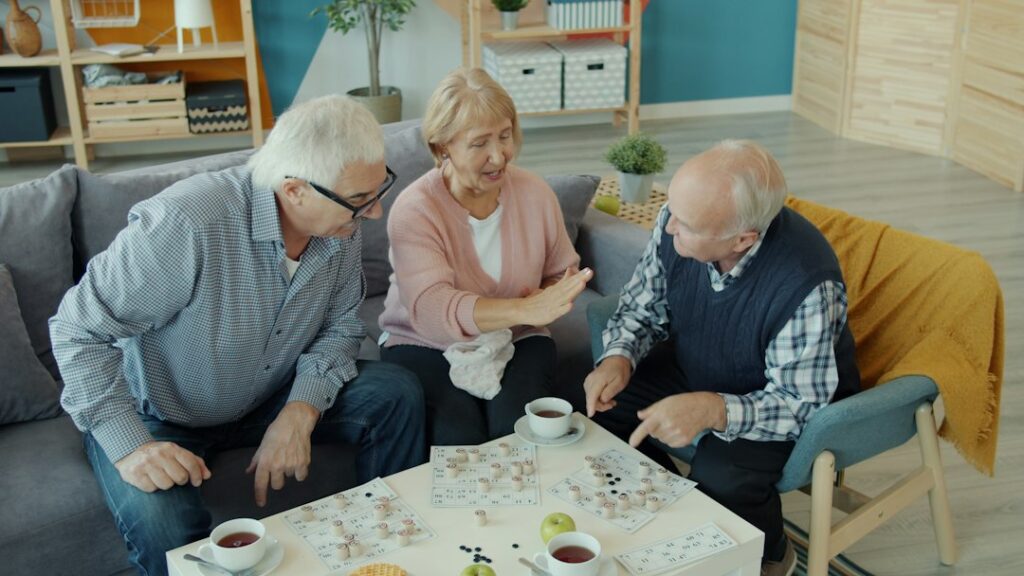
Change can be difficult at any age, but older adults may face several transitions close together: moving from a longtime home, losing a spouse or friend, adjusting to new health needs, giving up driving, or entering an assisted living setting. These changes can affect mood, sleep, confidence, memory, and daily routines.
With patience and practical support, families can help seniors adapt without dismissing their concerns or taking away their sense of control.
Why can change feel especially difficult for seniors?
Change may represent more than a new schedule or living arrangement. It can also involve the loss of privacy, familiar surroundings, independence, social roles, or treasured routines.
An older adult may be grieving:
- A home filled with personal history
- Regular contact with neighbors
- The ability to drive or manage errands independently
- Physical abilities that once felt automatic
- A spouse, sibling, friend, or pet
- Familiar responsibilities such as cooking, gardening, or maintaining a household
Even positive changes can create stress. Moving to assisted living may provide safer housing and more opportunities for social connection, but the adjustment period can still involve sadness, frustration, or uncertainty.
A reaction that seems disproportionate to the practical change may make more sense when the emotional meaning of that change is understood.
How can families help a senior prepare for a move?
Preparation should begin before moving day whenever possible. The goal is not to eliminate every uncomfortable feeling but to make the transition more predictable.
Explain what will happen in clear, simple terms. Discuss the expected timeline, what belongings will fit, how meals and medications will be handled, and what the first few days may look like. Avoid making promises that cannot be guaranteed, such as saying the move will be easy or that nothing will feel different.
Include the older adult in decisions that affect daily life. Useful choices may include:
- Which clothing to bring
- Where to place a favorite chair
- What photographs or decorations to display
- When to receive visitors
- Which activities seem most appealing
- How to arrange personal items for easier access
Sorting possessions can be emotional. Instead of treating the process as a quick downsizing project, allow time for stories and memories. Taking photographs of meaningful rooms or objects may help preserve a sense of continuity when not everything can be moved.
For residents of Williamsport, seasonal conditions can also affect planning. Winter weather, early darkness, and icy walkways may make moving, visiting, and attending activities more difficult. Keeping warm clothing, sturdy footwear, and frequently used items accessible can reduce unnecessary stress during colder months.
What helps a senior adjust after entering assisted living?
The first days and weeks should focus on familiarity, rest, and manageable routines. Too many visitors, activities, or decisions at once can become overwhelming.
A consistent daily rhythm often helps. Regular times for waking, meals, medication, bathing, rest, and bedtime can make an unfamiliar setting feel more understandable. Personal routines should be preserved when practical, such as reading before bed, listening to a favorite type of music, or having morning coffee in a particular way.
Familiar objects can provide emotional grounding. A blanket, family photographs, a well-used radio, artwork, or a favorite chair may help the new space feel personal rather than temporary.
Visits are usually most helpful when they are calm and predictable. A short visit focused on conversation, a shared snack, looking through photographs, or taking a walk may be more comfortable than a crowded gathering. Family members should watch for signs that the older adult needs quiet time.
How should family members respond to resistance or anger?
Resistance often communicates fear, grief, confusion, or a need for control. Arguing rarely resolves the underlying concern.
Start by acknowledging the feeling. Statements such as “This is a lot to adjust to” or “You miss having your old routine” can be more helpful than immediately explaining why the change was necessary.
Then ask a specific question: “What part of the day feels hardest?” or “What do you miss most about home?” Specific questions may reveal a practical problem, such as difficulty finding the dining area, trouble hearing during group conversations, or discomfort with an unfamiliar bedtime routine.
Offer limited choices rather than open-ended demands. Choosing between two activities, two outfits, or two visiting times can restore a sense of control without creating an exhausting number of decisions.
Avoid speaking about the older adult as though they are not present. Even when family members are coordinating care, the senior should be included in conversations about preferences, concerns, and next steps.
How can social connection reduce loneliness?
Social adjustment takes time. A senior does not need to participate in every group activity to feel connected. Smaller interactions may be more successful, especially for someone who is shy, fatigued, hard of hearing, or grieving.

Look for activities that match the person’s interests rather than choosing events simply because they are available. A former gardener may enjoy caring for indoor plants. Someone who dislikes large groups may prefer a quiet conversation, a puzzle, or a shared television program.
Hearing and vision problems can make social settings feel uncomfortable. Background noise, poor lighting, or fast-paced conversation may lead an older adult to withdraw. Seating near the speaker, good lighting, properly maintained hearing devices, and one-on-one conversation can make participation easier.
Family contact also benefits from consistency. A predictable phone call or visit may be more reassuring than occasional long visits that are difficult to anticipate.
What signs suggest that adjustment problems need additional attention?
Some sadness, irritability, worry, or withdrawal is common during a major transition. Persistent or worsening changes deserve attention, especially when they interfere with eating, sleeping, medication routines, hygiene, mobility, or social interaction.
Families should take notice of:
- Ongoing hopelessness or severe anxiety
- Frequent crying or anger that does not ease
- Refusal to eat or drink
- Major sleep changes
- New confusion or sudden personality changes
- Repeated attempts to leave or unsafe wandering
- Statements about death, self-harm, or being a burden
- A sudden decline in personal care or daily functioning
Sudden confusion is not simply a normal part of aging. It may be linked to infection, medication effects, dehydration, pain, or another urgent health problem. Immediate medical guidance is appropriate when confusion appears quickly or is accompanied by weakness, trouble speaking, breathing problems, chest pain, or a fall.
Emotional distress that continues for several weeks may also warrant a health evaluation. Depression, anxiety, grief, medication effects, and cognitive changes can overlap, so careful assessment is more useful than assuming the behavior is merely stubbornness.
How can independence be protected during a transition?
Support should not mean taking over every task. Older adults often adjust better when they can continue making meaningful contributions.
Depending on abilities and safety needs, a senior might choose clothing, help fold laundry, water plants, organize photographs, select meals, or participate in planning visits. The task itself may matter less than the opportunity to remain involved.
Give extra time for safe participation. Rushing, correcting every small mistake, or completing tasks without explanation can make someone feel incapable. At the same time, unsafe activities should not be treated casually. Falls, medication errors, extreme weather exposure, and wandering may require changes to the environment or daily supervision.
Families can help by separating preferences from safety concerns. A senior may have the right to choose what to wear or listen to, while medication management or walking on icy surfaces may require added safeguards.
What can families do during difficult seasons?
Cold weather and shorter daylight hours can reduce activity and increase isolation. Indoor movement, regular visits, well-lit spaces, and planned social contact can help maintain structure during winter. Comfortable clothing and safe footwear also support mobility.
During holidays, families should remember that celebrations may bring both enjoyment and grief. Changes in family roles, missing loved ones, and unfamiliar surroundings can make a festive event emotionally demanding. Shorter gatherings, quiet breaks, and realistic expectations may be kinder than expecting constant cheerfulness.
Adjustment is rarely a straight line. A senior may seem comfortable one week and discouraged the next, particularly after an illness, holiday, family change, or loss. Patience, respectful communication, familiar routines, and attention to safety give older adults the strongest foundation for adapting while preserving dignity and choice.
