
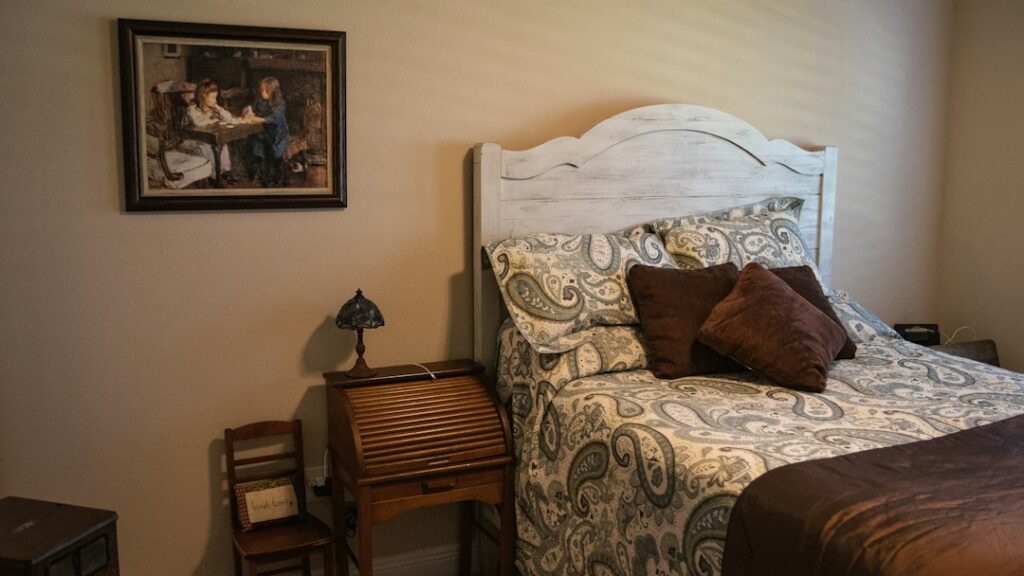
Moving into an assisted living apartment can feel unfamiliar at first, but personal belongings can make the space feel comfortable, recognizable, and easier to use. The goal is not to recreate an entire former home. It is to create a safe, manageable setting that reflects the resident’s routines, memories, interests, and preferences.
What should be brought into an assisted living apartment?
Bring familiar items that support daily routines and emotional comfort, while leaving enough open space for safe movement. A smaller collection of meaningful belongings is usually more useful than moving every household possession.
Before packing, consider:
- Favorite chair or reading seat
- Familiar bedding, blankets, or pillows
- Family photographs and framed artwork
- A small television, radio, or music player
- Books, puzzles, craft supplies, or games
- A clock with large, easy-to-read numbers
- A calendar or dry-erase board
- A few decorative items connected to hobbies, faith, or family traditions
- Clothing that is comfortable, washable, and easy to identify
The apartment should support the resident’s current needs, not only preserve the appearance of a previous home. Items that are rarely used, difficult to clean, or likely to create tripping hazards may not be worth bringing.
How can furniture be arranged safely?
Furniture should be placed to create clear walking paths from the bed to the bathroom, sitting area, and entrance. A room that looks attractive but is difficult to navigate can increase the risk of falls.
Keep these principles in mind:
- Leave room for a walker, wheelchair, or another mobility aid if one is used.
- Avoid placing small tables in the middle of walking routes.
- Keep cords along walls rather than across floors.
- Use stable furniture that does not slide easily.
- Avoid low stools or lightweight chairs that may tip.
- Place frequently used items within comfortable reach.
- Keep the area around the bed clear, especially at night.
- Make sure doors, drawers, and closets can open fully.
Many residents benefit from trying the layout with the mobility device they actually use. A path that seems wide enough while standing may feel very different when turning a walker or maneuvering a wheelchair.
What personal touches make the apartment feel like home?
Personalization works best when it reflects the resident’s identity rather than simply adding decorations. A few carefully chosen items can make the apartment easier to recognize and more emotionally familiar.
For example, a former gardener might display a small arrangement of artificial flowers, a gardening book, or photographs of past gardens. Someone who enjoys cooking may appreciate a framed family recipe, a familiar kitchen-themed picture, or a shelf with carefully selected cookbooks. A music lover might keep a collection of recordings in an easy-to-use format.
Memories can also be organized in ways that encourage conversation:
- A small photo display arranged by family or life period
- A memory box with safe, recognizable objects
- A labeled album with names and relationships
- A framed military, career, school, or community memento
- Seasonal decorations that can be changed without cluttering the room
Photographs are especially helpful when they include names or brief descriptions. This can support visitors, caregivers, and residents who have difficulty recalling names.
How can personalization support memory and orientation?
A personalized apartment can provide visual reminders of where the resident is and how the space is organized. Clear, familiar cues may be useful for people experiencing memory loss, although they should not replace individualized care planning.
Helpful orientation tools may include:
- A large clock showing the time of day
- A calendar with the current month clearly displayed
- A recognizable photograph or sign near the apartment entrance
- A contrasting blanket or pillow that makes the bed easy to identify
- Labels or pictures on drawers and cabinets
- A consistent location for glasses, hearing devices, keys, or a phone
Avoid filling every surface with objects. Too many decorations can make it harder to find necessary items and may create visual confusion.
What should be considered for lighting?
Good lighting is both a comfort feature and a safety measure. Apartments may feel different during bright summer afternoons, cloudy winter days, or darker evenings.
Use layered lighting when permitted, such as:
- A bedside lamp with a simple switch
- A floor or table lamp near a reading chair
- A night-light along the route to the bathroom
- Window coverings that reduce glare without making the room too dark

Light switches and frequently used controls should be easy to locate. Some residents may prefer lamps with larger switches or touch controls, but any device should be stable and simple to operate.
Seasonal darkness can be particularly noticeable in north-central Pennsylvania. Keeping walkways well lit during winter evenings and cloudy weather can help residents feel more confident moving around the apartment.
Are rugs, candles, and other familiar items safe?
Some common household items need careful review before they are brought into assisted living. Loose throw rugs, candles, portable heaters, and certain electrical devices can present avoidable hazards.
Before using an item, consider whether it could:
- Slide or curl underfoot
- Block a doorway or ventilation area
- Overheat
- Be knocked over
- Create smoke or an open-flame risk
- Interfere with emergency access
- Be difficult to clean
- Be mistaken for food or medication
Rules may vary by building, particularly for cooking equipment, extension cords, candles, and appliances. Ask for the community’s written apartment guidelines before moving in large or electrical items. If an item has a genuine fire, fall, or electrical risk, it should not be used without appropriate approval and safeguards.
How should the apartment be personalized for changing needs?
An apartment should be arranged with future changes in mind. A resident who walks independently at move-in may later use a walker, wheelchair, oxygen equipment, or additional storage for medical supplies.
Choose furniture that can be moved without difficulty and avoid filling closets or pathways completely. Leave reasonable space for equipment that may become necessary. A sturdy chair with arms may be easier to rise from than a deep, soft chair. A bed height that feels comfortable now may need to be reconsidered if transfers become harder.
Changes should be made respectfully. Personalization is not a one-time decorating project; it is an ongoing adjustment as comfort, mobility, vision, hearing, and memory needs change.
How can family members help without taking over?
Family members can help by learning the resident’s preferences and allowing the resident to make as many decisions as possible. Even small choices—where photographs go, which blanket is used, or what music plays—can reinforce independence.
A practical process is to:
- Visit the apartment before moving day if possible.
- Measure furniture and compare it with the available space.
- Create a simple floor plan.
- Pack essential items separately from decorative items.
- Label clothing and personal belongings.
- Photograph the final arrangement for reference.
- Review the space after the first week and remove items that are not being used.
The most successful apartment usually feels familiar without being crowded. Personal belongings should make daily life easier, support recognition and independence, and preserve the resident’s sense of identity while allowing enough room for safe care and changing needs.
