
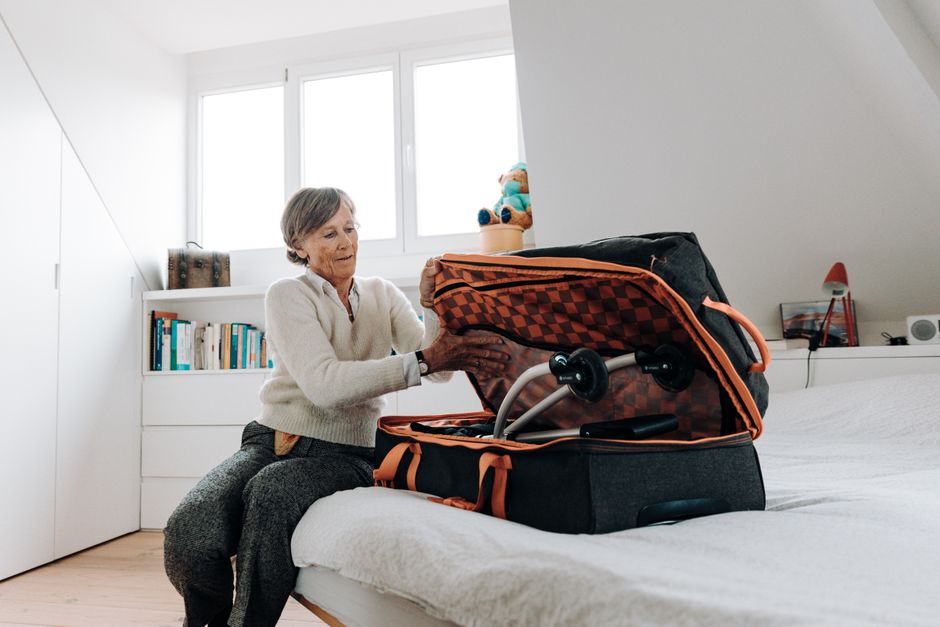
Moving to assisted living can bring relief, uncertainty, and a strong sense of loss all at once. A smooth transition usually depends less on having a perfect move-in day and more on preparing the resident, the household, and the new living space in manageable steps.
What should be done before the move?
Begin by creating a written transition plan several weeks before moving day. Include the move date, medication information, important contacts, furniture decisions, transportation arrangements, and the resident’s daily preferences.
Ask the assisted living residence for a clear list of required documents and personal items. Common paperwork may include:
- Identification and insurance information
- Emergency contacts and advance directives
- Medication lists and physician information
- Recent health assessments or care instructions
- Financial and legal documents
- Information about allergies, dietary needs, and mobility limitations
The resident should understand what will happen during the first few days. Explain where meals will be served, how to request help, when medications will be provided, and how family visits will work. Simple, honest explanations are generally more reassuring than vague promises that everything will be easy.
If the move follows a fall, hospitalization, or sudden change in health, the timeline may be shorter. In that situation, focus first on accurate medical information, safe transportation, medication continuity, and the resident’s immediate comfort.
How can a household decide what to bring?
The goal is to make the new room familiar without filling it with unsafe or unnecessary belongings. Measure the living space before moving furniture, and ask about restrictions involving appliances, rugs, wall hangings, or electrical equipment.
Choose items that support recognition and routine:
- A favorite chair that is easy to enter and leave
- Family photographs in simple frames
- A familiar blanket or small collection of books
- A visible clock and calendar
- Comfortable, labeled clothing
- Personal toiletries and preferred grooming items
- A few meaningful decorations rather than an entire household’s contents
Avoid clutter near walking paths, bathroom entrances, and the bed. Loose throw rugs, low tables, unstable lamps, and extension cords can create fall hazards. Keep frequently used items within easy reach.
Clothing deserves special attention. Seasonal changes in the region can bring cold temperatures, snow, wet footwear, and rapid shifts in weather. Pack layers, warm outerwear, nonslip shoes, gloves, and clothing that is easy to identify. Labeling garments can help reduce confusion when laundry is handled communally.
What should families ask about medications and health care?
Medication routines should be confirmed before move-in rather than left for the first evening. Provide an up-to-date list that includes the medication name, dose, schedule, reason for use, prescribing clinician, and known reactions.
Ask these practical questions:
- Who stores and administers medications?
- How are prescription changes communicated?
- What happens if a dose is refused or missed?
- How are over-the-counter medications handled?
- Who contacts the primary care clinician after a health change?
- How are appointments, transportation, and follow-up instructions recorded?
Do not assume that a medication list from several months ago is still accurate. Compare bottles, discharge paperwork, and current instructions. If there is any disagreement, the prescribing clinician or pharmacist should clarify the list before the move.
In Pennsylvania, assisted living residences and personal care homes operate under licensing requirements related to resident health, safety, staffing, nutrition, and service delivery. The residence should explain which services are included in the resident’s agreement and which needs may require additional arrangements.
How can the move feel less overwhelming?
Moving everything at once can make the resident feel that control has been taken away. Give the resident meaningful choices, even when the larger decision has already been made.
Useful choices include selecting:
- Which photographs go near the bed
- What to wear on moving day
- Which chair or familiar object comes first
- When to unpack personal items
- Whether to eat in the common dining area or rest privately, if permitted
- Which family member helps organize the room
Avoid arguing over every item during the move. A resident may be more willing to part with belongings later, after feeling secure in the new setting. For some households, photographs or brief videos of the new room can help the resident picture the change in advance.
Moving day should be as calm and predictable as possible. Try to schedule it during the resident’s strongest time of day. Allow time for bathroom breaks, meals, rest, and orientation instead of treating the move like a quick delivery.
What should happen during the first week?
The first week is a period of observation, not a test the resident must pass. Staff and family members should watch for changes in sleep, appetite, mood, mobility, continence, confusion, and participation in routine activities.
A resident may be tired, tearful, unusually quiet, or more confused during the first several days. These reactions can reflect stress, disrupted sleep, unfamiliar surroundings, or a medical issue. Sudden or severe changes should be reported promptly rather than dismissed as normal adjustment.
A short written preference sheet can help staff learn the resident’s habits. Include details such as:
- Preferred name and usual waking time
- Foods and drinks the resident enjoys
- Bathing and bedtime preferences
- Hearing or vision needs
- Important routines, hobbies, faith practices, or conversation topics
- Signs that may indicate pain, anxiety, or fatigue
Family visits are often most helpful when they are consistent but not overwhelming. Short visits at predictable times may work better than a large group arriving unexpectedly. Bring familiar activities, such as looking through photographs, listening to music, or sharing a snack if allowed.
What rights should residents understand?
Residents should receive information about house rules, services, fees, medication procedures, emergency plans, and how concerns are handled. They should also know whom to approach if something is unclear.
Pennsylvania resident protections include dignity and respect, privacy, communication with family and health professionals, access to personal belongings, participation in decisions about care, and the ability to file complaints without intimidation or retaliation. Residents generally retain the right to choose their primary care physician and to receive the services promised in the resident-residence agreement.
Ask for explanations in plain language. If the resident has difficulty hearing, seeing, remembering, or processing information, request an appropriate communication approach. A family member or legally authorized representative may help with planning, but the resident’s preferences should remain central whenever possible.
How can families stay involved without taking over?
Set a communication routine before problems arise. Decide who receives updates, how urgent concerns will be communicated, and which family member keeps the medication and appointment information current.
A useful approach is to review the first month in stages:
- After the first few days, ask what feels unfamiliar or uncomfortable.
- After two weeks, review meals, sleep, personal care, activities, and relationships.
- After about a month, discuss whether the care plan still reflects current needs.
The purpose of these conversations is not to demand immediate perfection. It is to identify small adjustments, such as changing a meal preference, moving a chair, improving lighting, adjusting visit timing, or clarifying how assistance is offered.
For families in Williamsport, planning around winter travel, icy walkways, reduced daylight, and transportation delays can make the transition safer. Keeping essential clothing, contact information, and health instructions organized also helps when relatives cannot visit on short notice.
A successful move does not require the resident to feel completely comfortable on the first day. It means the transition is safe, respectful, understandable, and flexible enough to support the person as new routines develop.
